What Can Europe Do For You?
- Summary
- Mobility Details
- Inclusion
- Innovation Element
- Impact
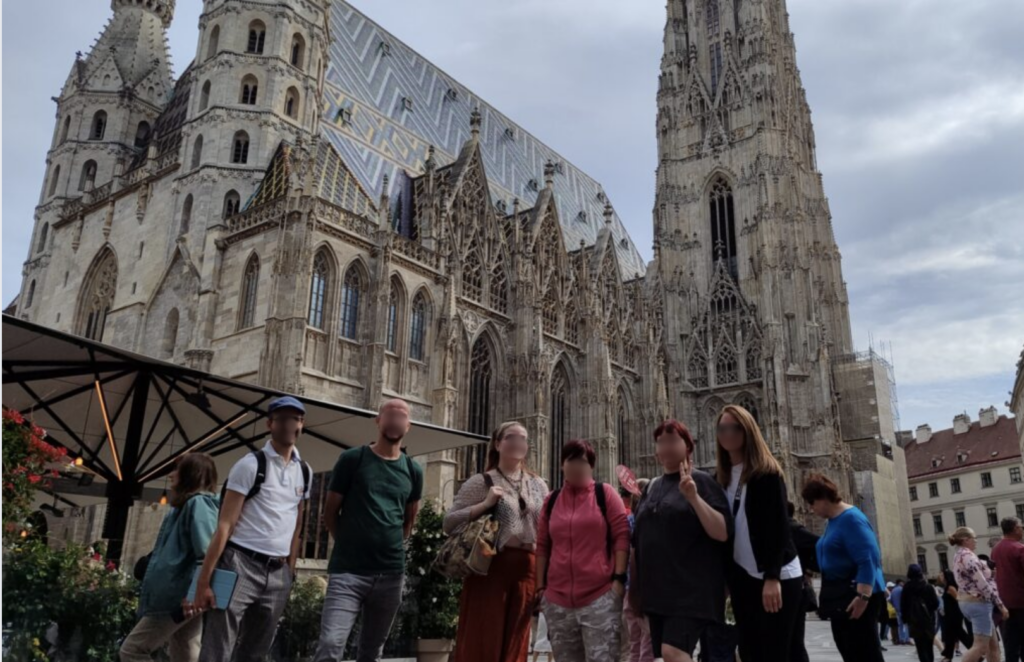
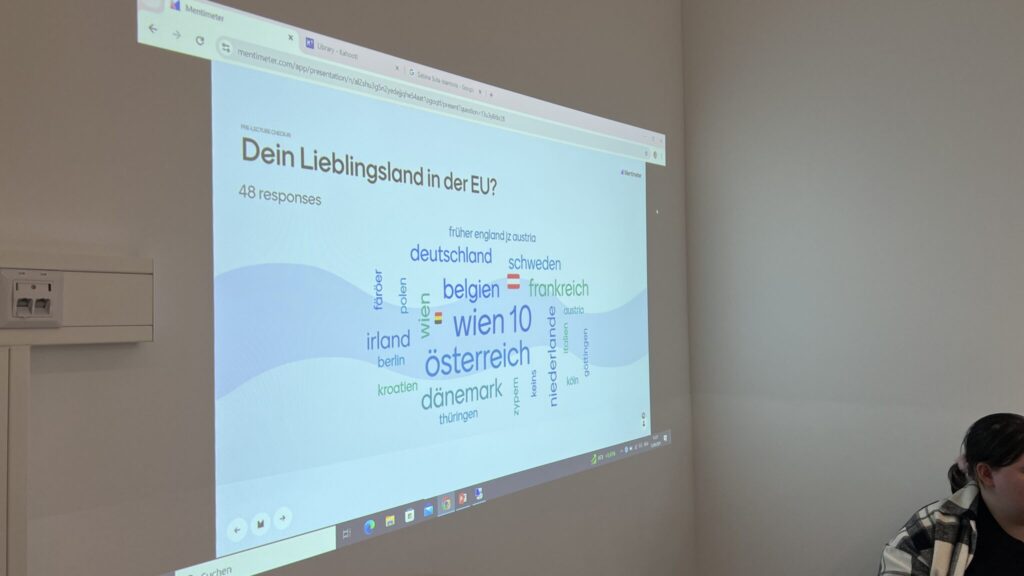
The mobility project “What can Europe do for you?” brought together a group of six neurodivergent young adults from Germany for a 5-day learning experience in Vienna in September 2024. The aim was to raise awareness about the European Union, empower the participants through intercultural experiences, and explore opportunities for European engagement through programmes such as Erasmus+.
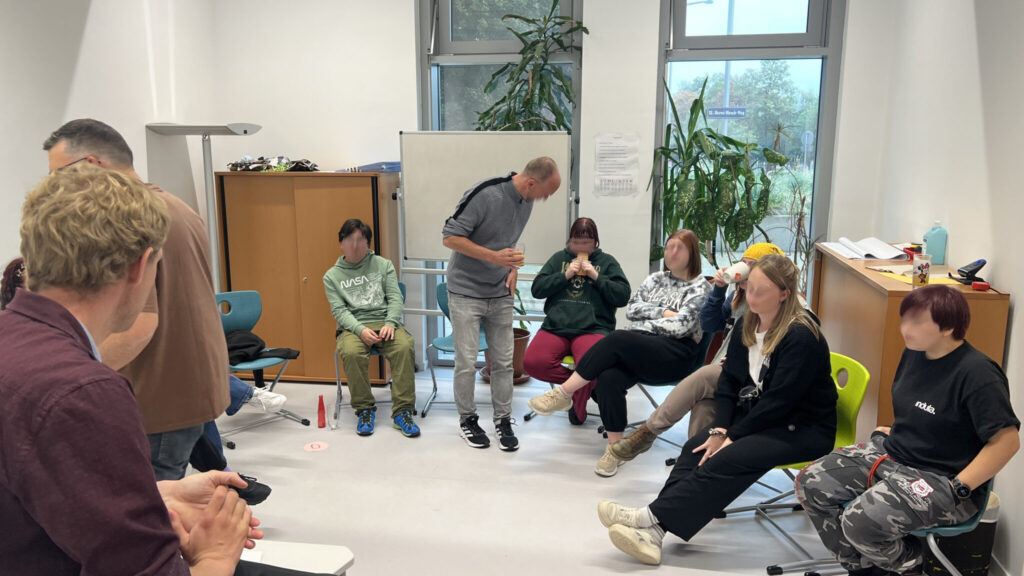
The learning journey included interactive workshops, guided tours, peer exchanges, and mentoring sessions tailored to the participants’ needs. A strong emphasis was placed on inclusiveness, emotional support, and flexibility. Each day focused on a key theme—from understanding the EU and civic participation, to exploring youth rights, social justice, and future mobility opportunities.
The project addressed both the educational and emotional needs of the participants, helping them build confidence, develop civic and intercultural competences, and experience Europe as a shared space of opportunity.
Target Group:
The target group consisted of six neurodivergent young adults aged between 18–25 years. Most of them had limited previous experience with mobility or international learning. They faced cognitive, emotional, and social barriers that typically exclude them from such offers.
Sending Country: Germany
Hosting Country: Austria
Mobility Duration: 5 days
Challenge to Inclusion:
Neurodivergent young people often face significant barriers to participating in transnational mobility:
- Anxiety about unfamiliar environments
- Communication challenges in intercultural settings
- Lack of tailored programmes and facilitators with inclusion experience
- Low self-confidence and limited support structures
- Difficulties in navigating foreign public transport or unfamiliar cities
These challenges require personalised approaches, mentoring, and a high level of planning and sensitivity.
Solution to Inclusion
The project addressed these barriers through:
- A personalised mentoring framework with pre-mobility preparation
- Small-group format and a high facilitator-to-participant ratio
- Use of visual reflection tools (LEVEL5 Spider), peer support, and individual coaching
- Tailored learning materials and accessible language
- Slow-paced programme with breaks, quiet time, and choice-based participation
- Familiarisation with the environment before tasks
- Integration of reflective tools to enhance emotional and cognitive processing
The project stands out through its combined use of competence-based validation (LEVEL5) and Design-Based Collaborative Learning adapted for neurodivergent learners. The reflection-based methods (e.g., visual spider diagrams, group debriefs, journaling) gave participants autonomy over their learning. The mix of structured civic education and responsive facilitation models created a safe, motivating learning environment. This model can be transferred to other target groups with fewer opportunities.
The true innovation of this mobility lies in making European learning mobility a reality for neurodivergent young people — a group often excluded from such opportunities due to fear, anxiety, or lack of accessible offers. While many mobility projects assume a basic level of confidence and independence, this initiative was designed around the emotional, cognitive, and social needs of the learners.
By creating a safe, low-threshold environment with trusted facilitators, familiar routines, and space for personal reflection, the project allowed participants to experience being abroad in a way that felt secure, empowering, and meaningful. The learning journey was carefully structured to reduce anxiety, build confidence, and allow learners to explore Europe at their own pace.
Supportive tools like reflection sessions, peer mentoring, and visual self-assessment (e.g., the LEVEL5 spider) added depth to the experience. The real achievement was opening a door that had previously felt closed — and proving that inclusive mobility is possible, valuable, and impactful for all.