
Inclusive Continuous Professional Development
- Summary
- Mobility Details
- Inclusion
- Innovation Element
- Impact
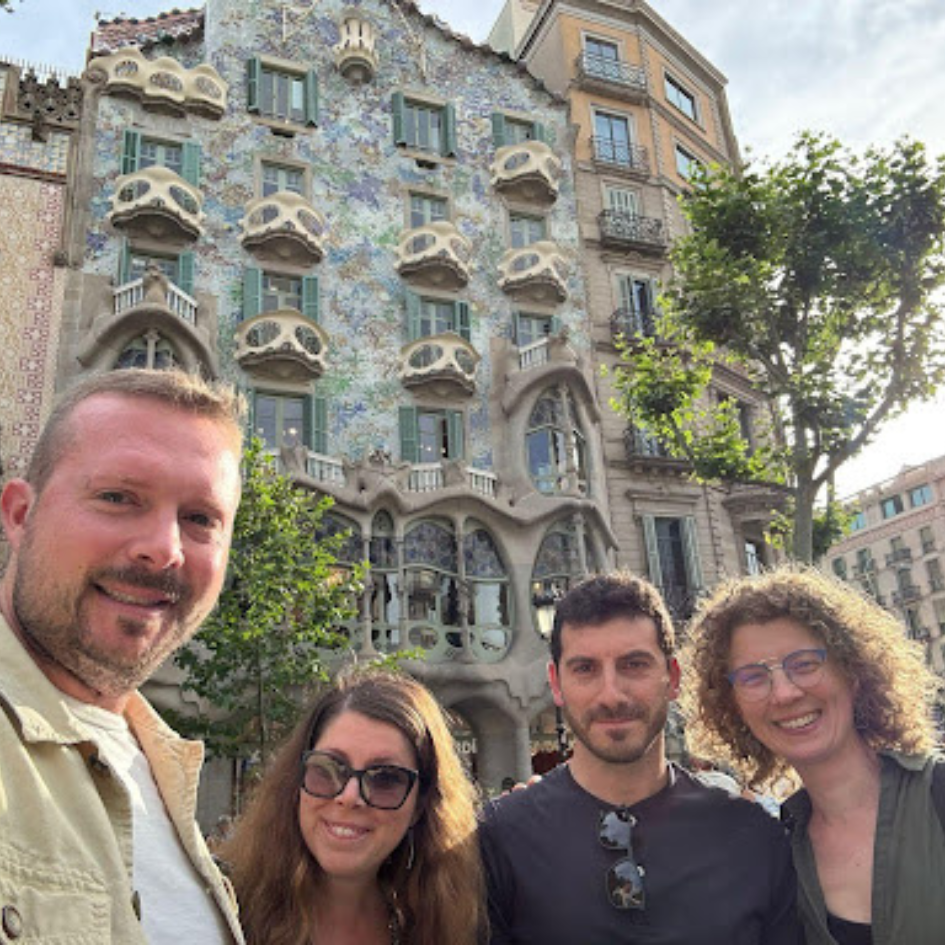
Four SMART staff members participated in a three-day European learning and networking event in Barcelona, hosted by the European Association of Innovation Consultants (EAIC). Three of them suffer from specific health conditions that need particular attention when travelling.
The aims of the TRAIL pilot were:
- To design an inclusive mobility activity as sending organisation
- To increase travel security awareness and sense of responsibility of the target pilotees during mobility
The TRAIL pilot consisted then in the development of a set of tools and procedures to ensure an inclusive and safe travels for all participants, with a focus on health disadvantages, and included a learning session addressed to all staff members of the company.
The pilot prompted a broader internal review of travel practices, resulting in a more structured approach to ensuring staff safety during travel.
Target Group: Professionals with health related issues
Sending Country: Italy
Hosting Country: Spain
Mobility Duration: 3 days
Challenge to Inclusion
- The project dealt with participants having specific health-related disadvantages (e.g. coeliac disease, chronic health conditions requiring medication).
- Barriers included the risk of health emergencies on travels, lack of prior structured support for safe and inclusive travel, and limited awareness about specific needs within the travel group.
- Balancing privacy of health conditions with raising team awareness was a challenge.
- The need was to ensure safety, inclusion, and accessibility for staff with health issues during business mobility, promoting their full participation and reducing travel-related anxiety.
Solution to Inclusion
- Development of tailored travel security and inclusion procedures focusing on health disadvantages.
- Pre-travel learning sessions for all staff to increase awareness and responsibility.
- Individual pre-travel risk assessment and customized travel plans shared with travel security manager.
- Practical checklists to prepare for emergencies and minimize risks.
- Continuous monitoring and mentoring through bilateral post-travel feedback sessions.
- Integration of inclusion in the travel arrangements, logistics, and emergency preparedness.
- Use of a competence validation system (LEVEL5) focusing on travel preparation skills for disadvantaged groups.
- Introducing an inclusive travel management model within a business setting addressing health-related needs.
- Systematic procedures balancing health privacy with collective awareness.
- Integration of travel safety and inclusion as core principles in mobility planning.
- Use of formative validation as part of inclusion strategy.
- Focus on increasing travel security awareness among all participants.
- Emphasis on shared responsibility for inclusion during professional mobility.
- Improved safety and confidence of staff with health disadvantages when traveling internationally.
- Higher awareness and responsibility for inclusive travel among the entire staff.
- Institutionalized travel policies promoting inclusion and security.
- Validation and recognition of competencies linked to inclusive travel preparation.
- Enhanced participation in international professional mobility with reduced risks.
- Positive cultural shift towards valuing diversity and safety in work-related travel.