Inclusive Sailing and Empowerment
- Summary
- Mobility Details
- Inclusion
- Innovation Element
- Impact
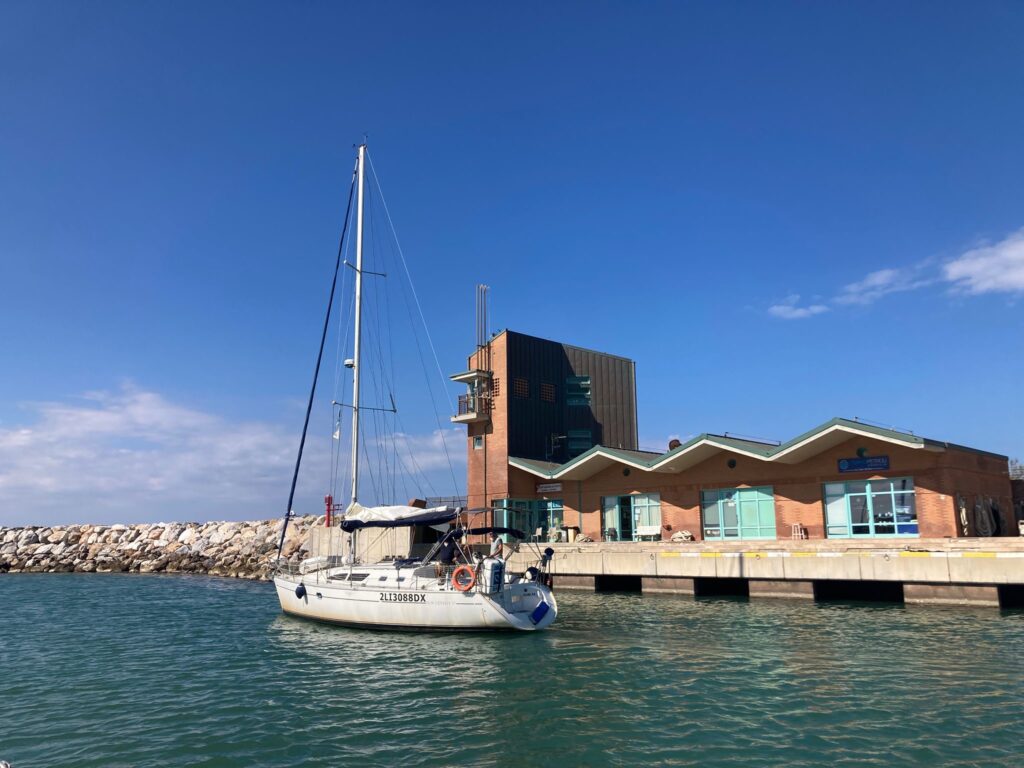
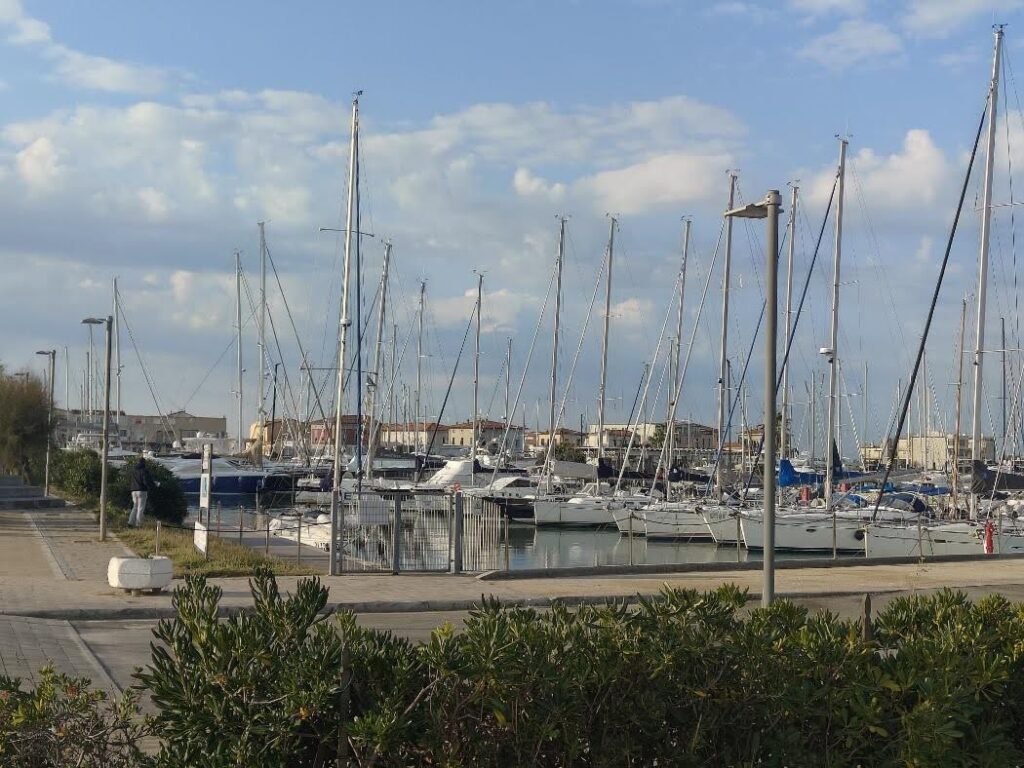
This mobility is designed to develop self-confidence and autonomy through sailing and other group activities in a peaceful oasis of Mangwana organization.
The course is structured with an open learning design combining cultural and teamwork activities with periods of free time that participants themselves could organize. Program is very flexible so it can be adjusted to the needs’ of each group. Sailing is a central teamwork experience designed to push learners beyond their comfort zones by navigating unfamiliar environments together. The pizza workshop is another team-based activity requiring compromise and self-regulation, reflecting real-life social challenges. The dedicated free time supports learners in processing experiences, encouraging autonomy through self-directed travel planning and time management in an unknown setting.
Participants are welcome to join in!
Target Group:
The participants are people with psychological disabilities aged between 18.to 50, with educational backgrounds ranging from lower secondary to higher education levels.
Sending Country: Germany
Hosting Country: Italy
Mobility Duration: 6 days
Contact to apply: vianne.law@blinc-eu.org
Challenge to Inclusion:
The main challenge in making the Pisa mobility project inclusive lies in supporting learners with psychological disabilities to participate meaningfully and confidently in an international mobility experience.
Key barriers:
- Psychological and emotional barriers: Participants suffer from anxiety, depression, and low self-confidence, making unfamiliar environments and social interactions stressful.
- Communication barriers: Limited English (and no Italian) language skills.
- Social and cognitive barriers: Lack of social skills such as collaboration, self-regulation, and communication.
- Accessibility and physical limitations: Some older participants required reduced physical strain and quiet spaces.
- Limited prior travel experience: Many had never travelled abroad or used airplanes/trains before.
- Risk of overload: Too many stimuli or activities could overwhelm participants, especially in crowded settings (e.g., the Florence trip).
These barriers make it difficult for disadvantaged learners to fully engage, self-organize, and benefit from typical mobility experiences without tailored support.
Solution to Inclusion
Program Design & Scheduling:
- Need for flexibility and rest
- Structured half-day activities with free time for rest and self-reflection.
Language & Communication:
- Limited English / Italian Translator provided; guiding staff supported during communication-heavy activities.
Social & Cultural Integration:
- Need for safety and gradual exposure
- Small group activities, shared meals, cultural guidance, and daily debriefings.
Physical Environment:
- Limited mobility for some learners
- Short walking distances, frequent breaks, access to quiet spaces.
Emotional & Psychological Support
- Stress management and confidence building
- Daily dialogues about well-being; flexible participation (no strict plans).
Travel & Logistics:
- Anxiety about travel procedures
- All bookings and logistics handled by the sending organisation; guides assisted throughout.
Digital Support
- Varying digital literacy
- Guidance with navigation apps and messaging tools as needed.
- Intergenerational learning: Combining different age groups to foster empathy, collaboration, and diverse perspectives.
- Experiential learning in real settings: Activities like sailing and a pizza workshop promote teamwork, communication, and self-regulation in authentic contexts.
- “Open learning design” approach: Days balanced between guided and self-structured time, allowing learners to practice autonomy and decision-making.
- Adaptive mentoring system: Continuous feedback between host and sending organisations with real-time adjustments to daily plans.
- Focus on psychological inclusion: The program explicitly targets mental health and self-confidence rather than only physical or economic disadvantage, which is less common in traditional mobility programs.
Outcomes:
- Learners gain self-confidence, autonomy, and social competence.
- Social interaction skills; Many participants open up socially, interact with new people, and express interest in future mobility experiences.
Foreseeable long-term impact:
- Improved integration into the labor market through enhanced self-reliance and teamwork skills.
- Strengthened European identity and intercultural understanding.
- Creation of a replicable model for inclusive mobility design for learners with mental health challenges.
- Empowerment of organisations to better design mobility opportunities for disadvantaged groups.