
Designing Inclusive Mobility
- Summary
- Mobility Details
- Inclusion
- Innovation Element
- Impact
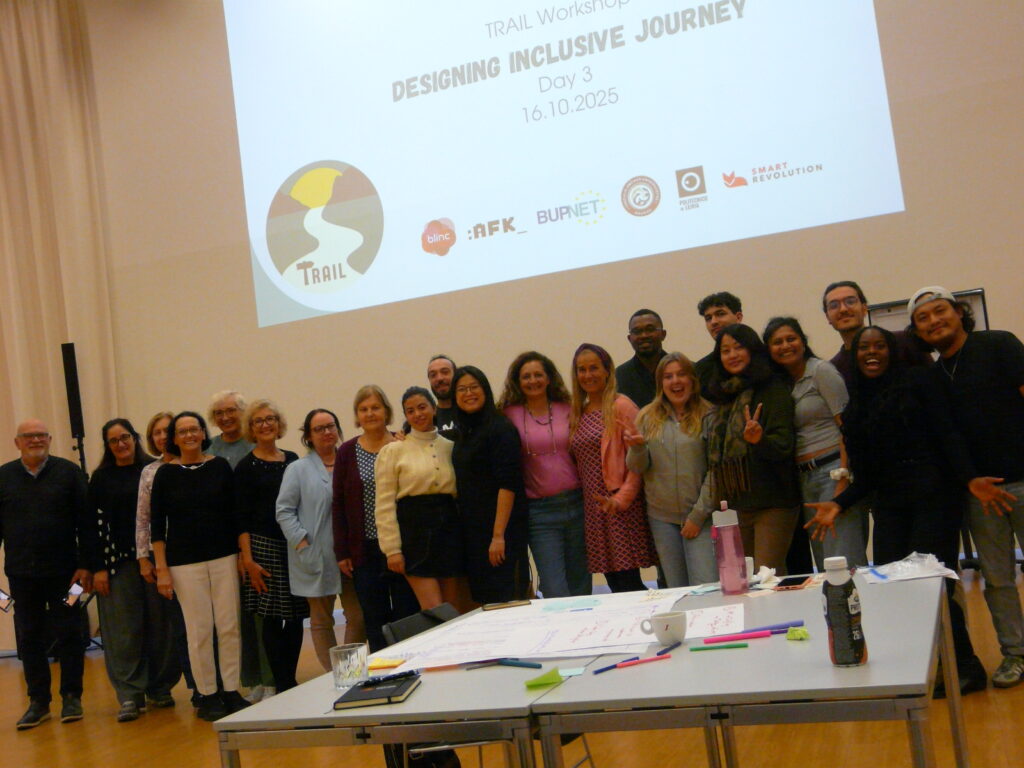
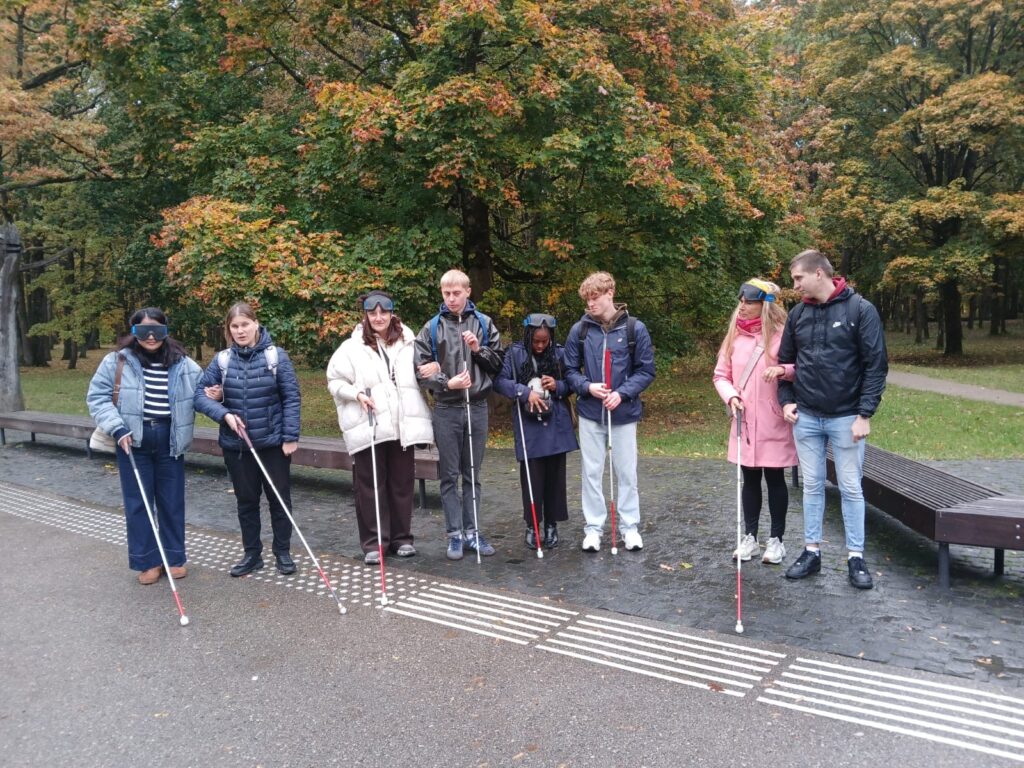
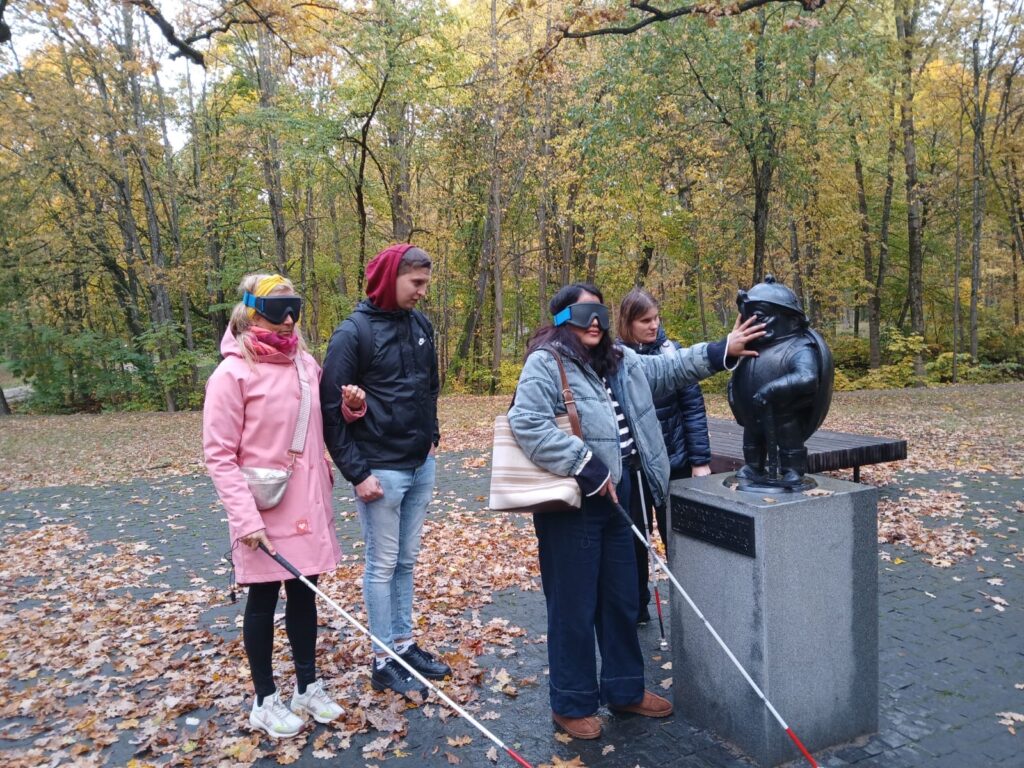
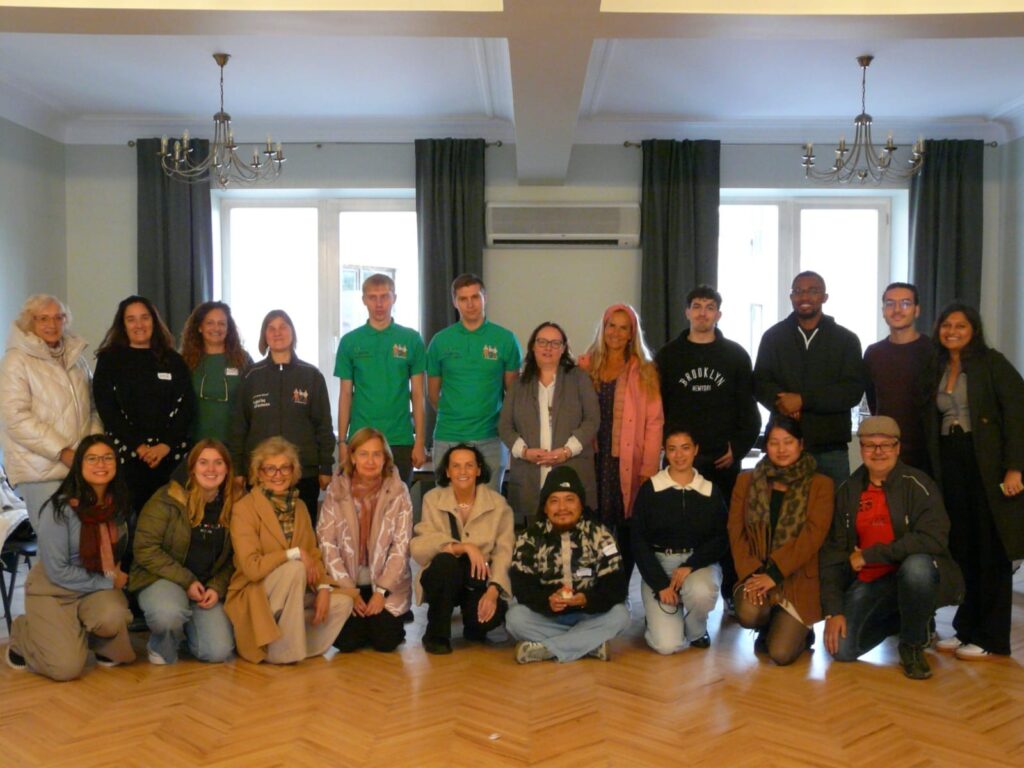
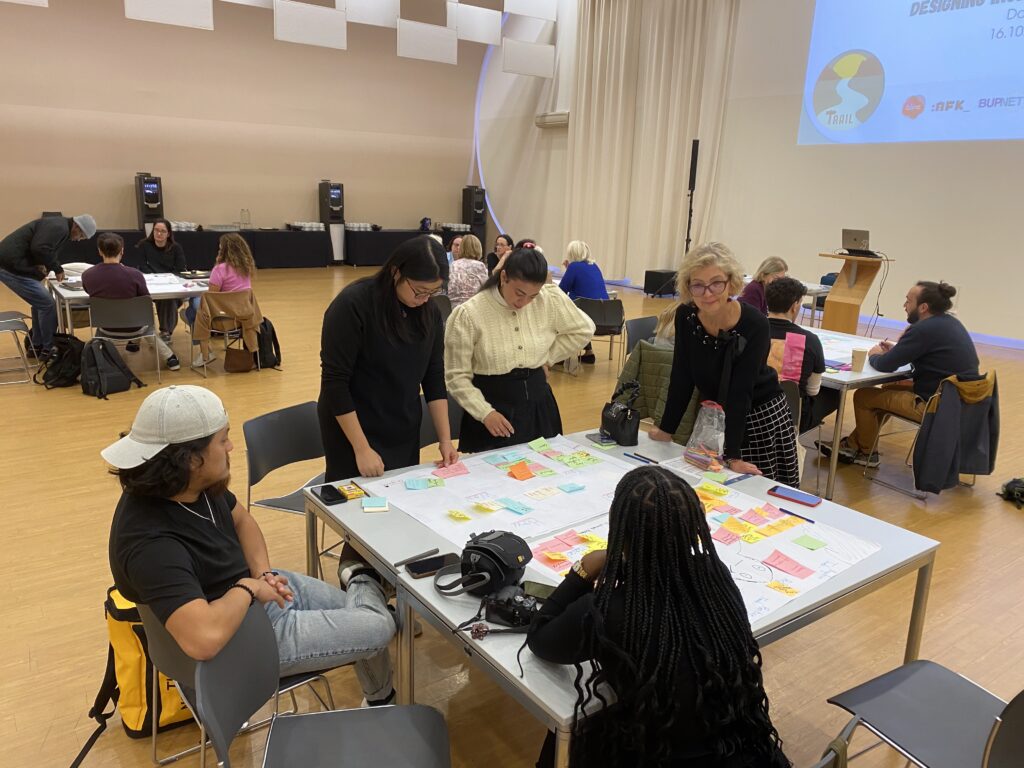
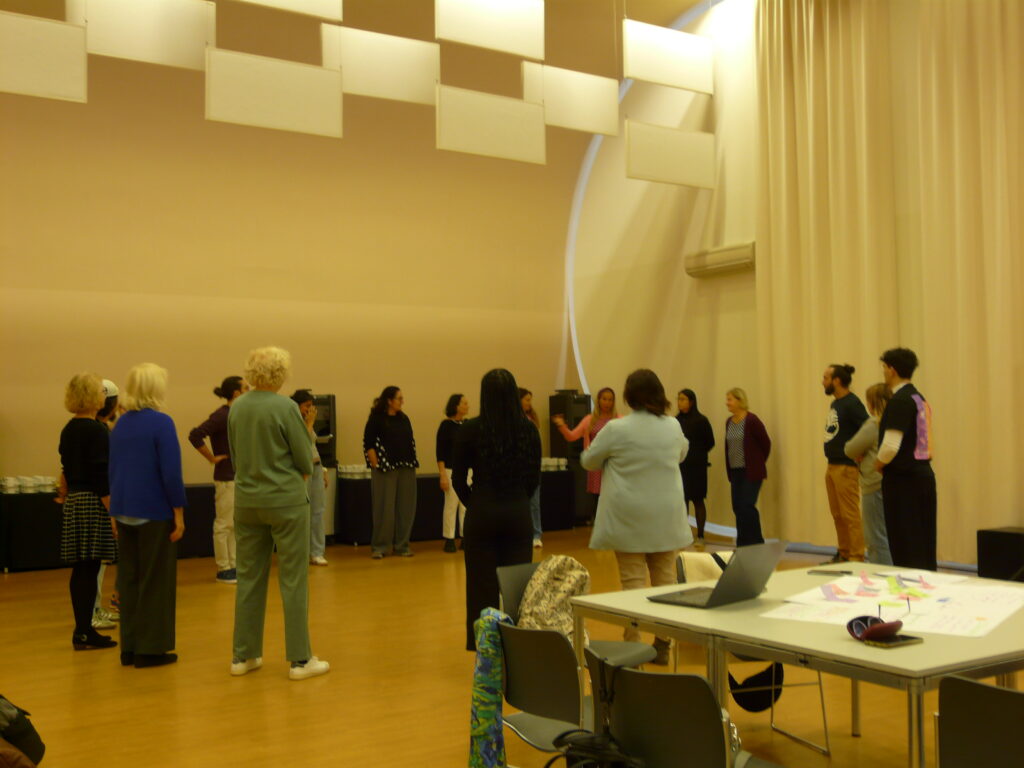
The TRAIL mobility pilot, held from 13–17 October 2025 in Kaunas, Lithuania, involved 22 participants from Germany, Lithuania, Portugal, Italy, and France, including 14 learners and 8 trainers experienced in adult education and facilitation. Trainers not only supported course delivery but also observed group dynamics to improve facilitation methods for future inclusive settings. The pilot brought together a diverse group rather than focusing on one disadvantaged group, reflecting TRAIL’s commitment to intersectionality. Participants included unemployed graduates, older adults with health or language barriers, first-time travelers, immigrants, and one with travel-related trauma. This diversity fostered rich peer learning, empathy, and cross-cultural exchange—core to developing inclusive mobility formats. The course created a supportive environment where learners built confidence, gained new perspectives, and contributed meaningfully regardless of background. Many overcame anxieties related to language, travel, and group interaction, feeling empowered by collaboration. Participants expanded intercultural awareness, communication, and teamwork skills, and gained deeper insights into designing and practicing inclusion in mobility settings. This pilot demonstrated that well-supported diverse learners could engage successfully in international learning mobility, contributing to both personal growth and the evolution of inclusive education practices.
Target Group:
This was a mixed group of participants from diverse cultural and social backgrounds who faced various obstacles to participating in learning mobility. The group included:
- Recent university graduates facing prolonged unemployment and uncertainty about their career paths
- Senior learners with age-related health needs and limited English language confidence
- First-time international travellers, some with strong emotional barriers to travel
- Individuals with migrant or ethnic minority backgrounds, often navigating exclusion in education and employment
- One participant with a travel related trauma, requiring special attention to psychological safety
Sending Countries: Germany, Italy, France and Portugal
Hosting Countries: Lithuania
Mobility Duration: 5 days
Challenge to Inclusion:
The TRAIL pilot faced multiple challenges to inclusion, primarily due to the diverse and intersecting barriers among learners. These included:
- language proficiency gaps
- digital literacy disparities
- varied learning paces and physical stamina (especially between younger and older participants)
- travel anxieties
- health limitations
- cultural differences.
Many participants had limited experience with international mobility or design-based learning, leading to initial hesitation and apprehension.
Logistical challenges like limited flight options and last-minute cancellations further complicated inclusion efforts. Additionally, some needs were hidden and only surfaced during the course, requiring flexible, responsive support structures.
Solution to Inclusion:
The project provided:
- tailored support such as simplified communication using plain English and visual aids
- flexible session timing to manage energy
- personalised mentoring before, during, and after mobility.
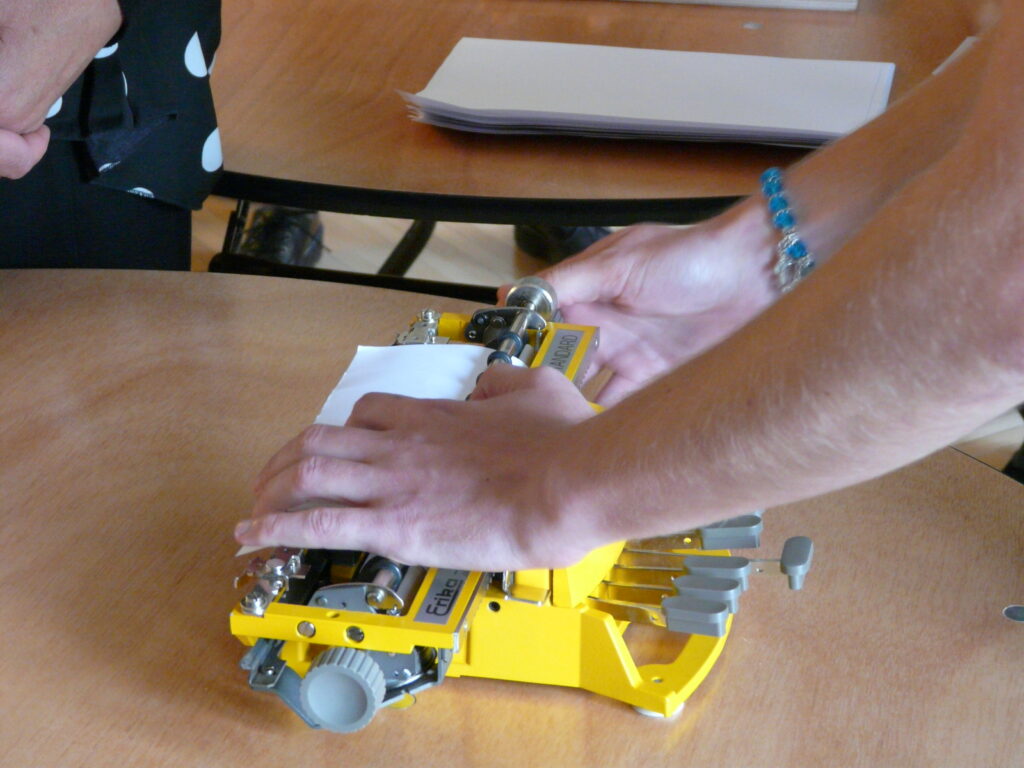
Trust building was emphasized through daily informal check-ins. Preparatory sessions were adapted to learners’ native languages and literacy levels. Social activities and mixed group work fostered mutual support and intercultural understanding. The venue was fully accessible, and measures were taken for health and well-being support. Travel assistance helped ease logistical concerns. Technology use was balanced to include low-tech options ensuring no one was excluded.
- The project’s innovative aspect was applying Design-Based Collaborative Learning (DBCL) within a mixed disadvantaged group, combining creativity, empathy, and co-creation for inclusive mobility design.
- Embedding LEVEL5 competence validation in non-formal learning contexts offered a new way to recognize progress in soft skills.
- Tailored mentoring and a flexible, learner-centered approach addressed real-world complexities beyond traditional mobility models.
- The intersectional approach intentionally embraced diverse overlapping barriers rather than isolating target groups.
The pilot improved participant confidence, communication, teamwork, intercultural awareness, and creative problem-solving. Learners overcame anxiety and engaged meaningfully in international collaboration. Trainers observed competence growth in communication and creativity. The approach proved feasible and effective for mixed disadvantaged groups, offering a model for inclusive mobility that could be scaled and adapted widely, fostering lifelong learning and social inclusion.